
Red Sandstone vs Pink Sandstone Temple: Which One Should You Choose?
When it comes to building a stone temple for your home, garden, or courtyard, two materials dominate the market — red sandstone and pink sandstone. The debate of red sandstone vs pink sandstone temple is one of the most common questions among buyers who want an authentic, long-lasting mandir crafted from natural stone. Both materials come from Rajasthan’s rich quarries and have been used in Indian architecture for centuries, from Mughal forts to modern home temples.
In this guide, we’ll break down the key differences between red sandstone and pink sandstone temples — covering color, durability, cost, carving detail, and which one suits your space best.
Red Sandstone vs Pink Sandstone Temple: Color and Appearance
The most noticeable difference in the red sandstone vs pink sandstone temple comparison is color. Red sandstone has a deep, earthy reddish-brown tone, often associated with grandeur and royal architecture — think of the Red Fort in Delhi or Fatehpur Sikri. Pink sandstone, on the other hand, has a softer, rosy hue that gives temples a warm, gentle appearance, commonly seen in Jaipur’s iconic Hawa Mahal and Albert Hall.
If you prefer a bold, majestic look, red sandstone is the better choice. If you want a softer, more elegant aesthetic, pink sandstone fits better with modern home décor.
Durability Comparison
Both stones are known for their strength, but there are subtle differences:
- Red Sandstone – Slightly denser and more resistant to heavy weathering, making it a strong option for outdoor structures exposed to extreme conditions.
- Pink Sandstone – Slightly softer and easier to carve into intricate designs, though still highly durable for both indoor and outdoor temple use.
In the red sandstone vs pink sandstone temple debate, red sandstone generally has a slight edge in raw durability, while pink sandstone offers more flexibility for detailed carving work.
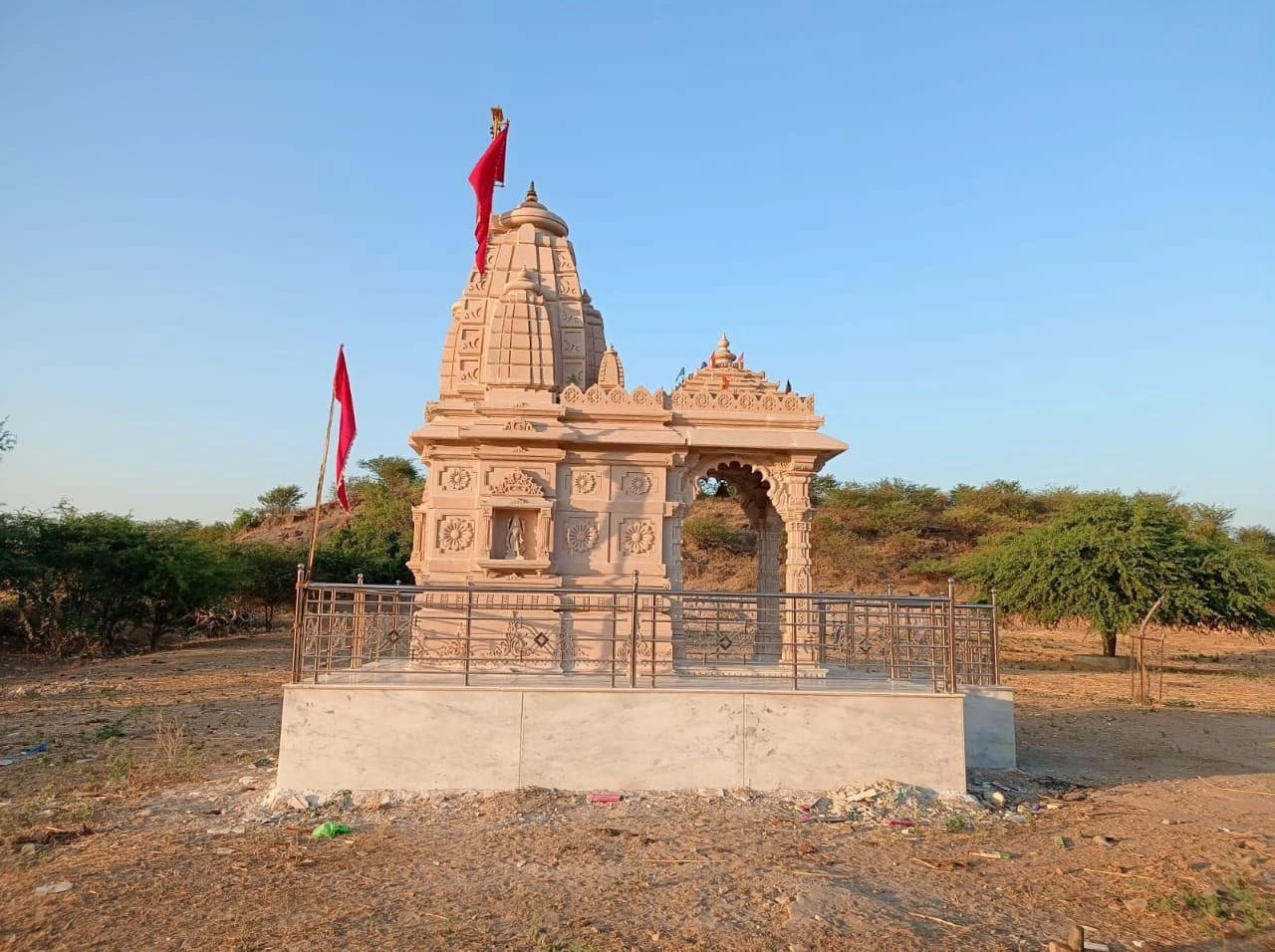
Carving and Craftsmanship
Because pink sandstone is comparatively softer, artisans can carve finer, more intricate details such as jali (lattice) work, floral motifs, and delicate pillar designs. Red sandstone, being denser, is often used for bolder, thicker carvings and larger structural elements like temple bases and pillars.
If your temple design includes delicate latticework or fine detailing, pink sandstone is usually the preferred material among craftsmen.
Cost Comparison
Pricing depends on quarry location, availability, and demand, but generally:
- Red Sandstone – Slightly more expensive due to higher demand for large architectural projects.
- Pink Sandstone – Often more budget-friendly while still offering a premium, handcrafted look.
For homeowners looking for an elegant yet affordable option, pink sandstone temples tend to offer better value without compromising on quality.
Vastu and Spiritual Significance
Both red and pink sandstone are considered auspicious materials in Vastu Shastra, as natural stone is believed to bring grounding, stability, and positive energy to a space. Some Vastu experts associate red sandstone with strength and protection, while pink sandstone is often linked to peace and harmony. Ultimately, the choice comes down to personal preference and the overall energy you want your pooja space to reflect.
Maintenance: Which One is Easier to Maintain?
Maintenance requirements are fairly similar for both stones:
- Dust regularly with a soft, dry cloth.
- Avoid harsh chemical cleaners — use mild soap water instead.
- Apply a natural stone sealant annually if placed outdoors.
- Protect from prolonged oil or ghee exposure from diyas to prevent staining.
Neither red sandstone nor pink sandstone requires the intensive polishing that marble demands, making both low-maintenance choices for temples.
Which One Should You Choose for Your Home Temple?
Choosing between a red sandstone vs pink sandstone temple ultimately depends on your priorities:
- Choose Red Sandstone if you want a bold, royal look with maximum durability for harsh outdoor conditions.
- Choose Pink Sandstone if you prefer a softer aesthetic, finer carving detail, and a slightly more budget-friendly option.
Both materials have been trusted for centuries in Indian temple architecture, and according to the Archaeological Survey of India, sandstone’s structural longevity is well documented across monuments that have withstood centuries of weathering. You can also review general Vastu Shastra guidelines to decide which stone color aligns better with your home’s energy requirements.
Explore Our Sandstone Temple Collection
Browse our complete range of stone temples featuring both red and pink sandstone designs, or explore our custom carving services to create a temple tailored to your preferred stone, size, and design.
Final Verdict
There’s no single “better” option in the red sandstone vs pink sandstone temple comparison — it truly depends on your aesthetic preference, budget, and the level of carving detail you desire. Red sandstone offers boldness and strength, while pink sandstone brings elegance and fine craftsmanship. Whichever you choose, both promise a timeless, spiritually enriching addition to your home or garden.